
Unterstützung bei der
Stakeholder-Befragung &
-Engagement

Sustainability strategy

Support with
Stakeholder participation &
survey

We support you in involving your stakeholders in the process – a mandatory component of sustainability reporting under ESRS 2. This way, we ensure that the materiality analysis identifies and prioritizes the truly relevant topics by taking into account the expectations and needs of all key stakeholder groups. This creates greater transparency, credibility and acceptance of the analysis.

The advantages of
stakeholder engagement

  1. Valuable insights & competitive advantages: Stakeholders provide valuable input to the evaluation of IROs for the materiality analysis, share industry knowledge and experience – a clear advantage for well-founded strategic decisions.
  2. Building trust: Openness to external perspectives strengthens the trust of customers, investors, employees and other stakeholders.
  3. Increased acceptance & implementation strength: Early involvement promotes the acceptance of sustainable measures and facilitates successful implementation.
  4. Risk minimization: Taking different stakeholder opinions into account helps to identify potential challenges at an early stage and act proactively.

The process of stakeholder participation

Step 1

Kick-off & stakeholder mapping

Together, we identify relevant stakeholders and carry out stakeholder mapping.

Step 2

Voting on the questions

We develop a questionnaire or survey based on the IRO assessment and coordinate with you to ensure that all key aspects are covered.

Step 3

Implementation & evaluation

We conduct interviews and surveys, analyze stakeholder responses and derive valuable insights from them.

Step 4

Final presentation & strategic integration

We present the results of the stakeholder survey to you. The final findings flow directly into the double materiality analysis.

Frequently asked questions,
that we answer

Stakeholders are all persons, groups or organizations that are directly or indirectly affected by or have an influence on a company’s activities. These include internal stakeholders such as employees and managers as well as external stakeholders such as customers, investors, suppliers, authorities and civil society. Their expectations and needs play a central role in the company’s sustainable orientation and reporting.

Stakeholder participation ensures that a company precisely identifies, evaluates and prioritizes the relevant sustainability issues. By engaging with internal and external stakeholders, knowledge, perspectives and expectations can be incorporated into the strategy in a targeted manner, which increases transparency, credibility and acceptance. Stakeholder participation is also mandatory under ESRS 2 and an essential part of the double materiality analysis. It helps meeting regulatory requirements and identifying risks and opportunities at an early stage in order to strategically integrate sustainability into the company.

The number of stakeholders to be surveyed depends on the heterogeneity of the stakeholder groups and the complexity of issues. It is important to achieve a critical mass in order to obtain meaningful and representative results. In particular, the main stakeholders who have a direct influence on the company or are affected by its decisions should be included. A good relationship with the stakeholders facilitates involvement and increases the willingness to respond. In the case of internal stakeholders, such as employees, it is essential to involve as many as possible so that no one feels excluded and acceptance of the results is increased.

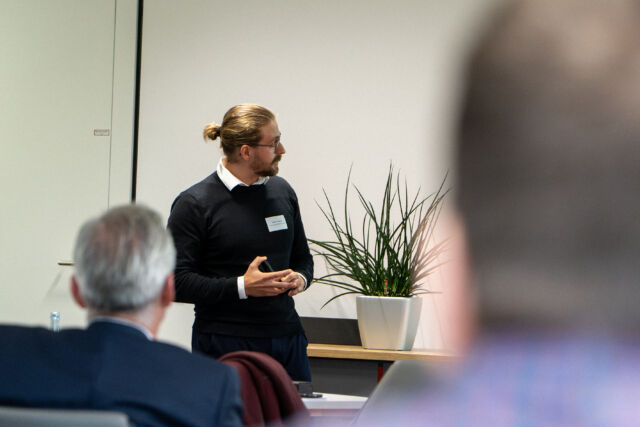
Ein Fokus Zukunft Nachhaltigkeitsberater bei einem Sensiblisierungsworkshop für Mitarbeitende

Enquire now for
Stakeholder engagement

Do you have any questions about this service or would you like to discuss your project with us? Write to us – we look forward to exchanging ideas with you!